

How are home appraisals changing in 2026 for buyers and sellers?
Starting November 2, 2026, a new mandatory appraisal standard called UAD 3.6 means appraisals will collect far more detailed information about a home than they have in the past. For sellers, documenting improvements matters more than ever. For buyers, it means a more complete, accurate picture of the property being financed.
By Jim Brebner, REALTOR® · Published September 18, 2026 · Last reviewed September 10, 2026
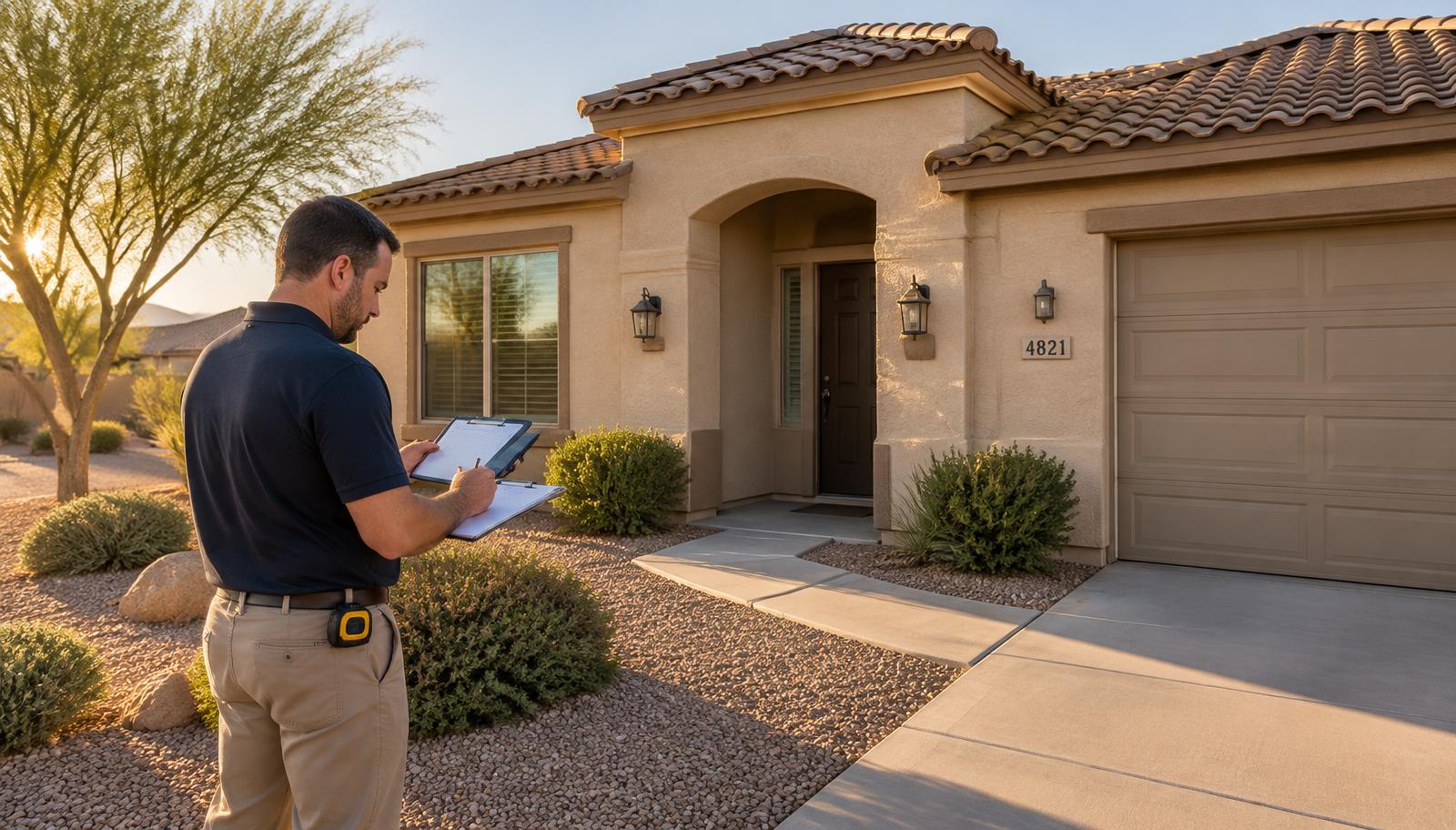
A major change is coming to home appraisals. This new standard becomes mandatory for all new appraisal reports submitted to Fannie Mae and Freddie Mac. Learn more from Fannie Mae.
If you're buying or selling a home, you don't need to learn what "UAD 3.6" means or understand all the technical changes behind it. That's our job.
What you should understand is that the appraisal is becoming much more detailed.
What is changing with home appraisals?
For years, residential appraisers have worked with a collection of standardized appraisal forms. Fannie Mae and Freddie Mac are replacing those forms with one new, dynamic appraisal report that changes based on the property being appraised. Fannie Mae explains the new dynamic report here.
Instead of fitting a house into a relatively rigid form, the new report can capture considerably more information about the individual property. The sales-comparison section alone can draw from more than 70 possible rows of property characteristics and display the ones relevant to that home.
That's particularly meaningful in a community like The Grand, where two homes of the same model and approximate square footage can be very different after 20 or 30 years of ownership.
One may still be largely original, while another may have a remodeled kitchen, new bathrooms, updated flooring, newer HVAC equipment, an expanded garage, solar, a pool or extensive outdoor improvements.
The new appraisal format is designed to capture those differences more systematically.
Sellers: details about your home matter more than ever
When I'm preparing a home for sale, I've always wanted to know what the owner has done to the property. With the new appraisal process, documenting those improvements becomes even more valuable.
The new report asks appraisers to provide detailed descriptions of the home, including its condition, amenities, modernization and improvements. It also provides much more structured information about interior and exterior quality. See Fannie Mae's UAD 3.6 reference guide.
So when I take a listing, I'm going to spend some extra time with my sellers putting together a good history of the home. That could include:
- Kitchen and bathroom remodeling
- Flooring, windows and doors
- HVAC and roofing
- Pool improvements, landscaping and outdoor living areas
- Solar or other energy-efficient features
- Garage additions or expansions
- Room additions, casitas or other structural changes
- Permits, invoices or receipts, when available
Don't worry if you don't have a receipt for the flooring you installed eight years ago. This isn't about creating a forensic accounting file on your house. It's about making sure important improvements aren't overlooked.
An improvement doesn't automatically add its cost to the appraised value. A $50,000 kitchen remodel doesn't necessarily make the house worth $50,000 more. The appraiser still has to determine how the market reacts to that improvement. Our job is to make sure the appraiser knows it's there.
Expect the appraiser to look more closely
The new system collects more specific information about the property. Appraisers report defects, damage and deficiencies in defined areas rather than relying mainly on a general description. Those areas can include the site, exterior, interior, outbuildings, vehicle storage and other amenities. Read Fannie Mae's appraisal update.
The reporting standards also provide for extensive photography. Depending on the assignment and property, the report can include photographs of kitchens, bathrooms, main living areas and other spaces relevant to documenting the home.
That doesn't mean sellers should be nervous about an appraisal. It means we should be prepared for it.
What I'll do when one of my listings is being appraised
Once we have a buyer under contract and an appraisal is ordered, I don't believe in simply putting a lockbox on the door and hoping the appraiser sees everything I see.
I'll prepare information that can help the appraiser understand the property. That may include the home's significant improvements and updates, relevant permits or documentation the seller has provided, information about features that aren't obvious, and appropriate comparable sales and market information.
The appraiser remains independent and decides what information is relevant and ultimately determines the opinion of value. My role isn't to tell an appraiser what the home is worth. It's to make sure useful and accurate information about the property is available to them.
What does all of this mean for buyers?
Buyers benefit from the same increased detail.
When you're financing a home, the appraisal is primarily designed to give your lender an independent opinion about the home's market value and whether the property provides adequate collateral for the loan.
The new report is designed to provide lenders with more consistent and detailed property information. It creates a more complete picture of the house being purchased rather than simply producing a number at the bottom of a report.
That can be especially useful when you're buying an older home that has undergone substantial changes.
Don't confuse an appraisal with a home inspection
An appraisal and a home inspection are two different things.
The appraiser is primarily evaluating the property for the lender and developing an opinion of market value. The home inspector is looking much more specifically at the physical condition and operation of the home.
A more detailed appraisal doesn't eliminate the need for a good home inspection.
If you're buying a 25- or 30-year-old home in The Grand, I still strongly recommend understanding the condition of major components such as the roof, HVAC, plumbing and electrical systems, regardless of what the appraisal says.
Could appraisals take longer?
Possibly, particularly as lenders, appraisers and appraisal-software companies adjust to the new system.
UAD 3.6 requires substantially more structured property data than the previous format. The industry has been transitioning throughout 2026 rather than making the change overnight on November 2. Broad production began January 26, 2026, allowing lenders to begin using the new format before it becomes mandatory. Read Fannie Mae's broad-production announcement.
I wouldn't assume every appraisal will suddenly take several days longer. But during the transition, buyers and sellers should avoid unnecessarily tight timelines when financing and an appraisal are involved.
What about additions, casitas and unpermitted improvements?
This is another area where good preparation becomes important.
The new appraisal format is designed to provide more specific information about a property's physical characteristics, including accessory dwelling units, outbuildings, finished areas and additions. Fannie Mae's guidance specifically addresses additions without permits and requires detailed treatment of accessory dwelling units, or ADUs. Review the detailed UAD guidance.
If you've enclosed a patio, added living space, built a casita or significantly altered the original floor plan, don't wait until the appraiser arrives to figure out how it was done.
When possible, we'll gather permits and other information ahead of time so we know exactly what we're dealing with.
Why this could be especially important in The Grand
The Grand is a great example of why a more detailed appraisal can matter.
Many homes here were built decades ago, but they haven't all aged the same way. I've walked through homes that are nearly original and others of the same model that have essentially been rebuilt inside.
I've also seen differences that aren't captured very well by simply comparing square footage and bedrooms - golf-course locations, expanded garages, extensive outdoor living areas, pools, remodeled kitchens, upgraded windows and major mechanical improvements.
Those differences don't necessarily translate dollar-for-dollar into value. But they are part of the story of the property, and the appraiser needs accurate information to analyze them.
Because I live and work in The Grand, those are exactly the kinds of details I'm looking for when I prepare a home for market and when I analyze comparable sales.
Bottom line
For sellers: Start keeping track of what you've done to your home. If you're thinking about selling in the next year, don't wait until you're under contract to start looking for information about improvements, additions and major replacements. The seller page walks through the rest of the process.
For buyers: Don't be surprised if the appraisal process feels a little more detailed than it has in the past. Give your lender reasonable time to complete the appraisal, and remember that the appraisal and your home inspection serve different purposes. See the buyer page and which loan type makes sense.
For both sides: The objective hasn't really changed. We want the appraiser to have accurate information about the home so the final opinion of value reflects the property and the market as accurately as possible.
Official Fannie Mae references
- UCDP Submission Summary Report Messaging Updates Supporting the Transition to UAD 3.6
- Appraiser Update: The Future of Residential Appraisals
- Appraiser Update: Countdown to UAD 3.6
- UAD 3.6 and Forms Redesign Reference Guide
- Available Now in Broad Production: UAD 3.6 and Forms Redesign
- UAD and Forms Redesign: Enhanced Timeline and Updated FAQs
Accuracy note: November 2, 2026 is the mandatory date for all new appraisal submissions to the Fannie Mae/Freddie Mac portal to use UAD 3.6. The transition began earlier, and broad production started January 26, 2026.
About the author
Jim Brebner, REALTOR®
Realty ONE Group · Arizona License SA718354000
Realty ONE Group – Goodyear, 15150 W Park Place, Suite 315, Goodyear, AZ 85395
623-244-9777 · jim@equityadvantageaz.com
Jim Brebner lives and works in The Grand in Surprise, Arizona, and offers full-service listing representation for a $8,500 flat fee through Equity Advantage. He spent nine years in mortgage lending (conventional, VA, FHA and reverse) and remains a licensed loan officer, NMLS #1621305. More about Jim · Contact Jim
The practical takeaway
Sellers: start keeping track of what you've done to your home, well before you're under contract. Buyers: expect a more detailed appraisal, give your lender reasonable time, and keep your home inspection separate in your mind. On both sides, the goal is the same - the appraiser should have accurate information about the house so the opinion of value reflects the property and the market.